I-80 Corridor Hub
Vacaville is a Solano County city on the I-80 corridor between Sacramento and San Francisco, known for biotech and the historic Nut Tree.
Vacaville is a city in Solano County, California, on the western edge of the Sacramento Valley, positioned directly along Interstate 80 between the state capital and the Bay Area. It lies about 35 miles from Sacramento and 55 miles from San Francisco, a location that has defined its growth as a commuter and employment center. With a 2020 population of 102,386, Vacaville is among Solano County's largest cities. It was founded in 1851 and named for Juan Manuel Vaca, whose family's land grant once covered the surrounding valley. For much of the twentieth century, Vacaville was known for its orchards and, above all, the Nut Tree, a celebrated roadside restaurant and attraction along I-80 that became an icon of California car culture. That agricultural and roadside heritage evolved into a modern economic identity built on life sciences: Genentech established a major manufacturing campus in Vacaville, and the city now hosts a cluster of biotechnology, pharmaceutical, food processing, and advanced manufacturing employers, including other large firms along the I-80 and I-505 corridors. The city's housing market is broad, mixing established neighborhoods, newer subdivisions, and rural unincorporated areas such as Elmira. Vacaville Unified School District, with 18 schools and roughly 12,700 students, serves most of the city, with portions near Travis Air Force Base falling under Travis Unified. Recreation centers on Lagoon Valley Park, a 306-acre park with a 100-acre lake, hiking and biking trails, and the historic Peña Adobe. For households seeking a family-friendly city with biotech employment, relatively accessible housing, and a midpoint position between Sacramento and the Bay Area, Vacaville offers a practical, well-rounded base in Northern California's I-80 corridor.
Vacaville is located in Solano County, California, on the edge of the Sacramento Valley in Northern California. It sits about 35 miles from Sacramento and 55 miles from San Francisco, directly along the Interstate 80 corridor.
Vacaville's population was 102,386 at the 2020 census, making it one of the largest cities in Solano County. The city was founded in 1851 and named after Juan Manuel Vaca, a prominent early landholder.
Vacaville is known as a biotechnology and life-science hub, home to Genentech's major manufacturing campus along with other pharmaceutical and advanced manufacturing employers. It is also known for the historic Nut Tree, once a famous roadside attraction along Interstate 80.
Vacaville is served primarily by the Vacaville Unified School District, which operates 18 schools and enrolls roughly 12,700 students. Areas toward Travis Air Force Base may fall within the neighboring Travis Unified School District.
Vacaville sits on Interstate 80, about 35 miles from Sacramento and 55 miles from San Francisco, with Interstate 505 providing a connection to Interstate 5. The Vacaville Transportation Center offers local and regional bus service, and Nut Tree Airport serves general aviation.
City Guide
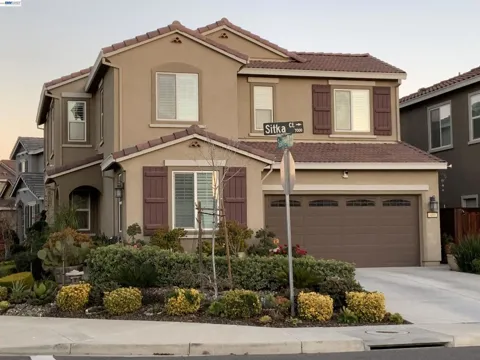
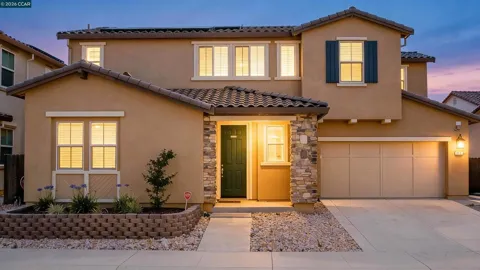
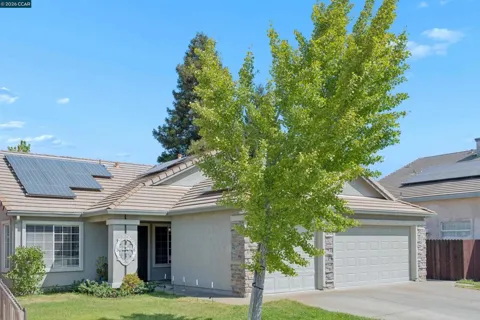
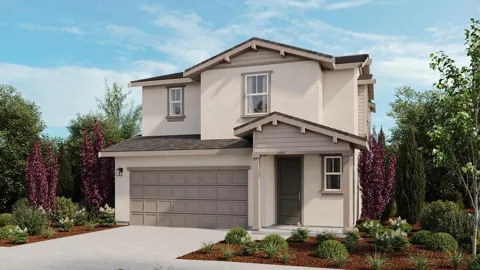
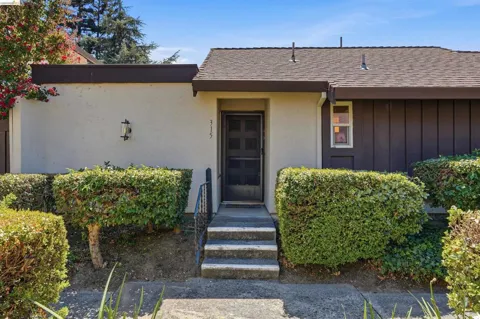
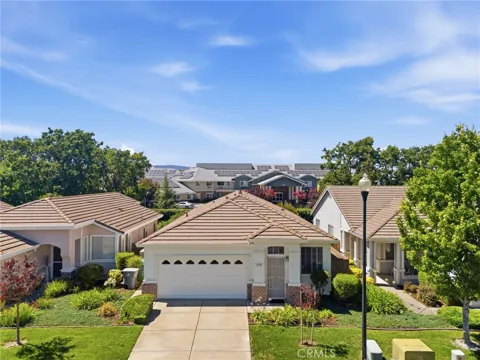
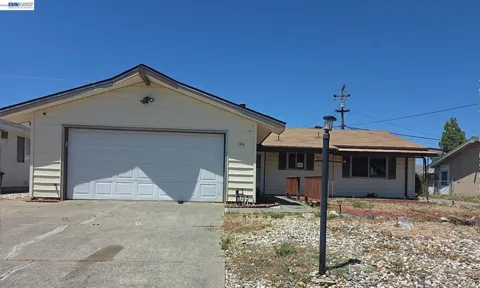
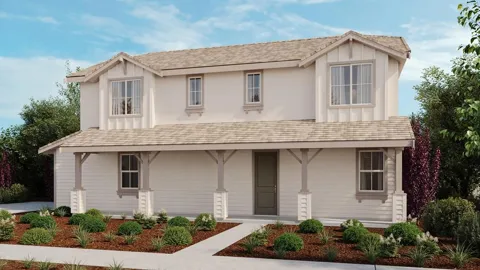
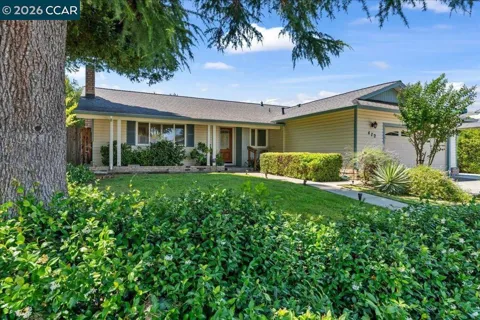
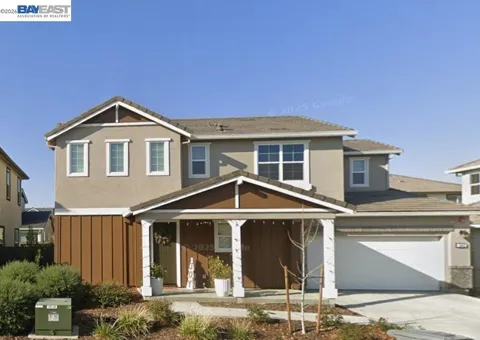
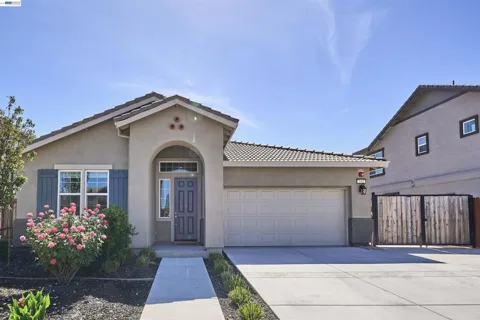
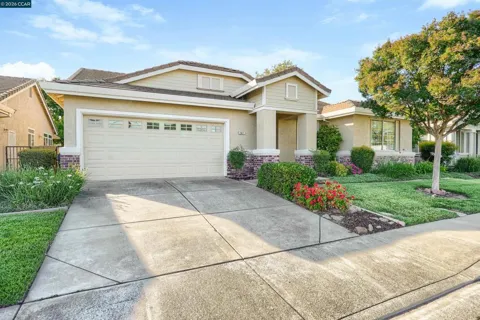
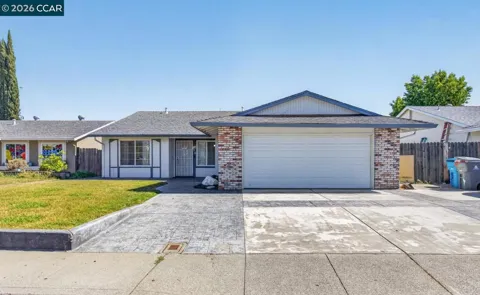
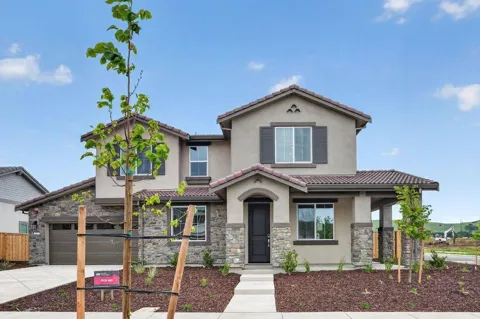
Vacaville's housing stock is broad and suburban, spanning established mid-century neighborhoods, newer master-planned communities, and a growing number of attached and rental options near the I-80 corridor. Browns Valley, situated close to the freeway, is among the areas favored by entry-level buyers for its commute convenience. The market also includes a 55-plus segment serving retirees, and the surrounding unincorporated countryside—such as the Elmira area east of the city—offers large lots and semi-estate homes for those wanting more space. As one of Solano County's larger cities, Vacaville provides a wide range of styles and price points, with growth concentrated toward the city's newer southern and eastern edges.
Vacaville's neighborhoods range from its historic downtown to newer subdivisions on the city's expanding edges. Browns Valley, near I-80, is a popular entry-level and family area prized for commute access. The Nut Tree district, built around the former roadside landmark, functions as a commercial and residential node along the freeway. Elmira, just east of the city limits in unincorporated Solano County, offers a rural alternative with large lots and semi-estate homes. The city also contains established central neighborhoods, planned communities along Vaca Valley Parkway, and a 55-plus community serving active adults, giving homebuyers a variety of settings from in-town convenience to quiet cul-de-sacs and countryside parcels.
Vacaville offers a family-oriented suburban lifestyle shaped by its position between the Sacramento Valley and the Bay Area. The city's economy, anchored by biotech and advanced manufacturing, draws a professional workforce, while its relatively more affordable housing and strong schools make it a common choice for commuters and growing families. The Nut Tree area provides shopping, dining, and a connection to the city's roadside heritage, and Lagoon Valley Park offers quick access to open space and trails. Community life centers on schools, youth sports, and parks, with Sacramento's and San Francisco's cultural and employment opportunities reachable along I-80 for those who commute.
Vacaville is served primarily by the Vacaville Unified School District, which operates 18 schools and enrolls roughly 12,700 students from elementary through high school, including multiple high school campuses. The district's size reflects the city's growth and offers a range of academic, athletic, and career-technical programs. Areas toward Travis Air Force Base on the city's eastern side may be served by the Travis Unified School District, so families should confirm boundaries for a specific address. Solano Community College provides local higher education, and the proximity of Sacramento and the Bay Area gives residents access to a broad array of four-year universities and specialized programs.
Vacaville's transportation position is anchored by Interstate 80, which runs through the city and links it to Sacramento about 35 miles east and San Francisco about 55 miles west. Interstate 505, which begins near the city's western edge, connects north to Interstate 5 and the Sacramento Valley. The Vacaville Transportation Center serves as a hub for local VCC buses, regional SolTrans routes, and park-and-ride commuting, while Nut Tree Airport handles general aviation. Sacramento International, San Francisco International, and Oakland International airports serve commercial air travel within roughly an hour. As an I-80 corridor city, Vacaville is heavily car-oriented, with freeway access shaping daily travel patterns.
Lagoon Valley Park is Vacaville's signature outdoor destination. The 306-acre park features Lagoon Lake, a 100-acre lake open to non-motorized boating, along with miles of multi-use trails for hiking, biking, and horseback riding, shaded groves, and the historic Peña Adobe at its edge. The park's rolling oak-dotted hills provide a quick escape into open space just off I-80. The city also maintains a network of neighborhood parks, sports fields, and recreation programs, and the Nut Tree area offers family entertainment and shopping. Beyond the city, the Sacramento Valley and the Bay Area's regional parks and open spaces extend the recreational options within a short drive.
MARKET SNAPSHOT
How homes have been selling here over the last 90 days.
Market data reflects closed sales over the last 90 days and is provided for informational purposes.
BROWSE BY ZIP
Browse listings by postal code in this area.